Standing on the blustery beach of Mazirbe in northwestern Latvia, the sound of the Baltic Sea is constant. But for centuries, another sound echoed across these dunes: the distinctive cadences of Livonian, a Finnic tongue born of fishermen and amber gatherers.
Resurrecting Coastal Melodies
When Grizelda Kristiņa, the last native speaker of Livonian who grew up with the language as her mother tongue, passed away in 2013 at the age of 103, many obituaries proclaimed the language extinct. However, inside the community, an entirely different story was unfolding.
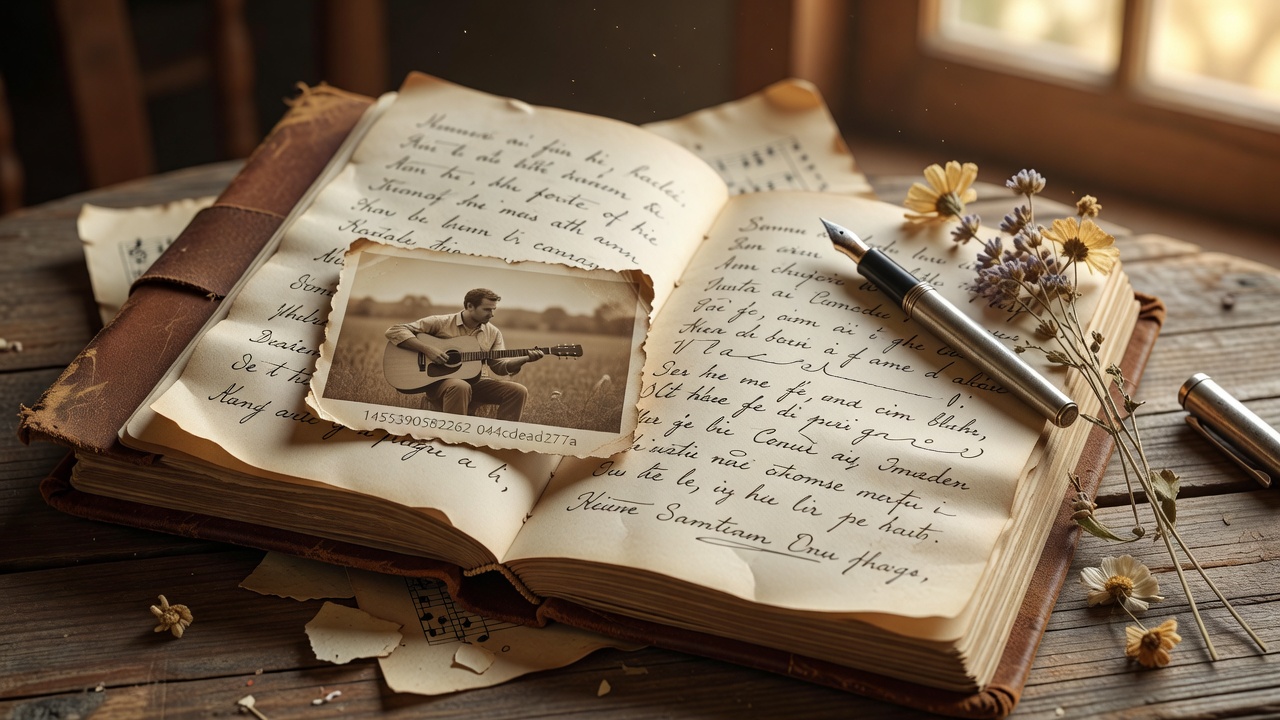
Youth collectives and poets have turned to archived manuscript notebooks recorded in the mid-20th century. By transcribing poetic structures and studying old verse forms, modern groups like Tulli Lum and Njuorjoo are blending traditional lyrics with contemporary literature.
"Language isn't merely a formal dictionary; it is a melody. When young poets write in Livonian, they are reactivating spatial memory dormant in the landscape itself."
Linguistic Archaeology in Practice
Our research team spent three weeks digitizing notebook archives stored at local heritage centers. Utilizing modern text layout algorithms, we preserved original handwriting and annotations alongside standardized orthography, revealing subtle poetic nuances previously lost to history.