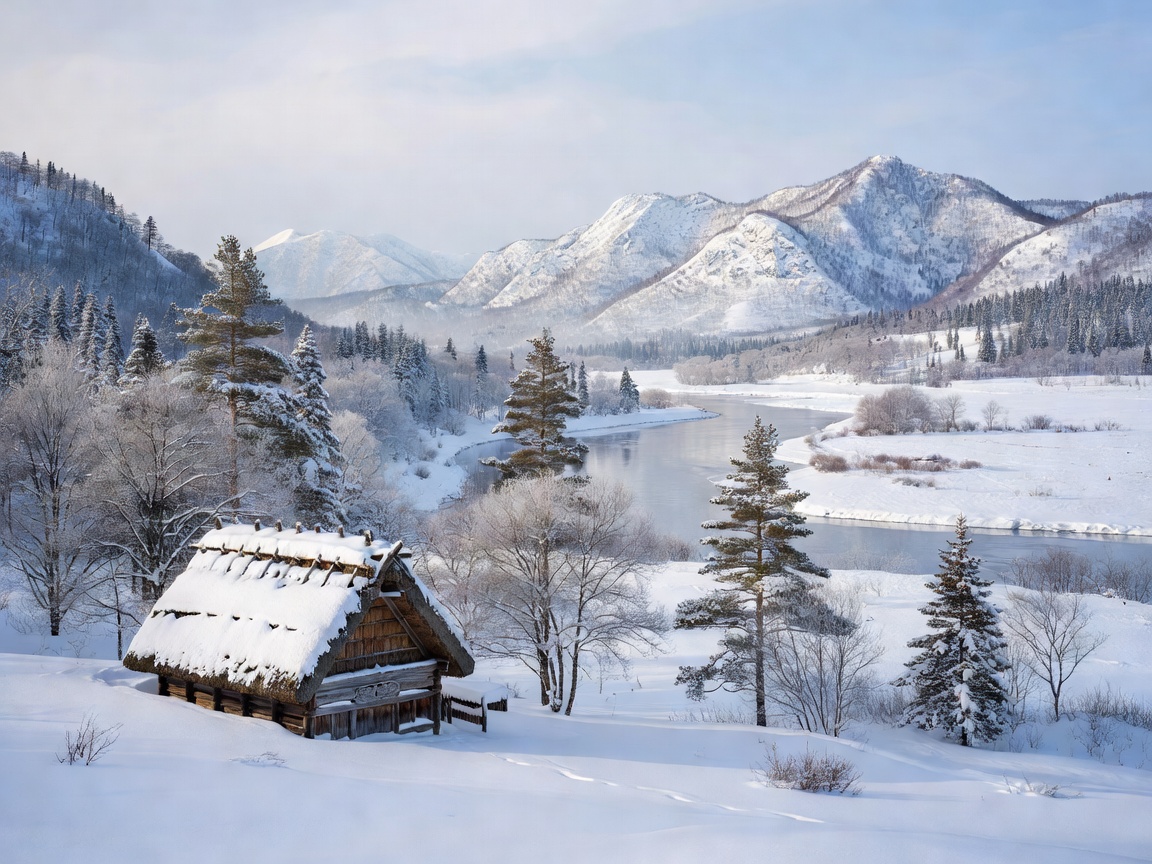
 Critically Endangered
Ainu Language
An isolate language with no known genetic connection to Japanese, featuring rich oral mythology known as Yukar.
Over 40% of the world's 7,000 active human languages are critically endangered. Reelparadeshowcas archives living oral traditions, field journals, and linguistic structures before they fade.
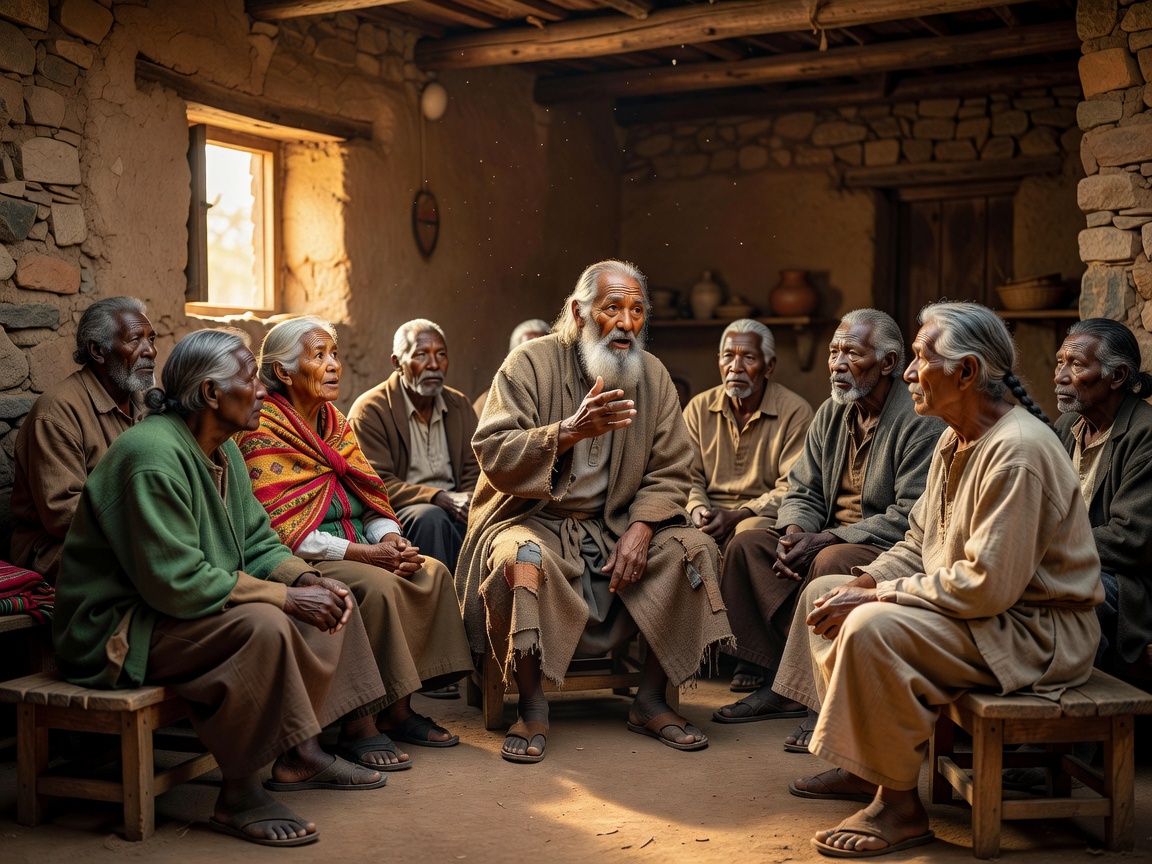
Oral Traditions of the Hokkaido Peninsula
Documenting traditional Yukar epics and elder storytelling syntax.
Click on pinpoint regions below to explore endangerment severity, remaining native speakers, and archived field notes.
Displaying real-time documented regions

Isolating language spoken natively on Hokkaido, Japan with fewer than 20 fluent speakers remaining.
View Full Language ProfileEvery tongue represents a unique worldview, ecological taxonomy, and human story.
Critically Endangered
An isolate language with no known genetic connection to Japanese, featuring rich oral mythology known as Yukar.
 Revitalization Active
Indigenous coastal language of Latvia. Though the last native speaker passed in 2013, new generational speakers are revitalizing it.
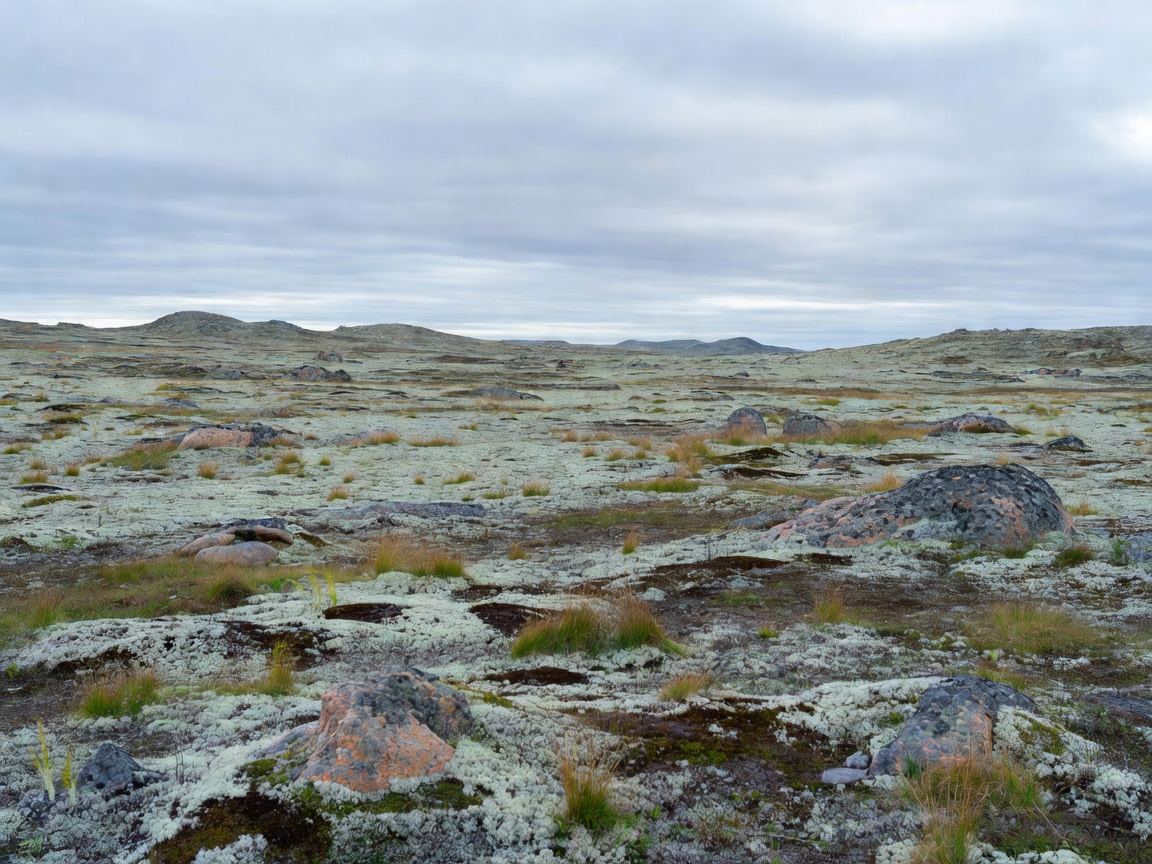 Severely Endangered
Known for intricate reindeer terminology and unique tonal structures along the Pite River basin.
In-depth essays on fieldwork challenges, computational language archiving, and oral history preservation.

Documenting how younger generations in Kurzeme are combining modern poetry with ancient Livonian sea hymns.
Read Full Journal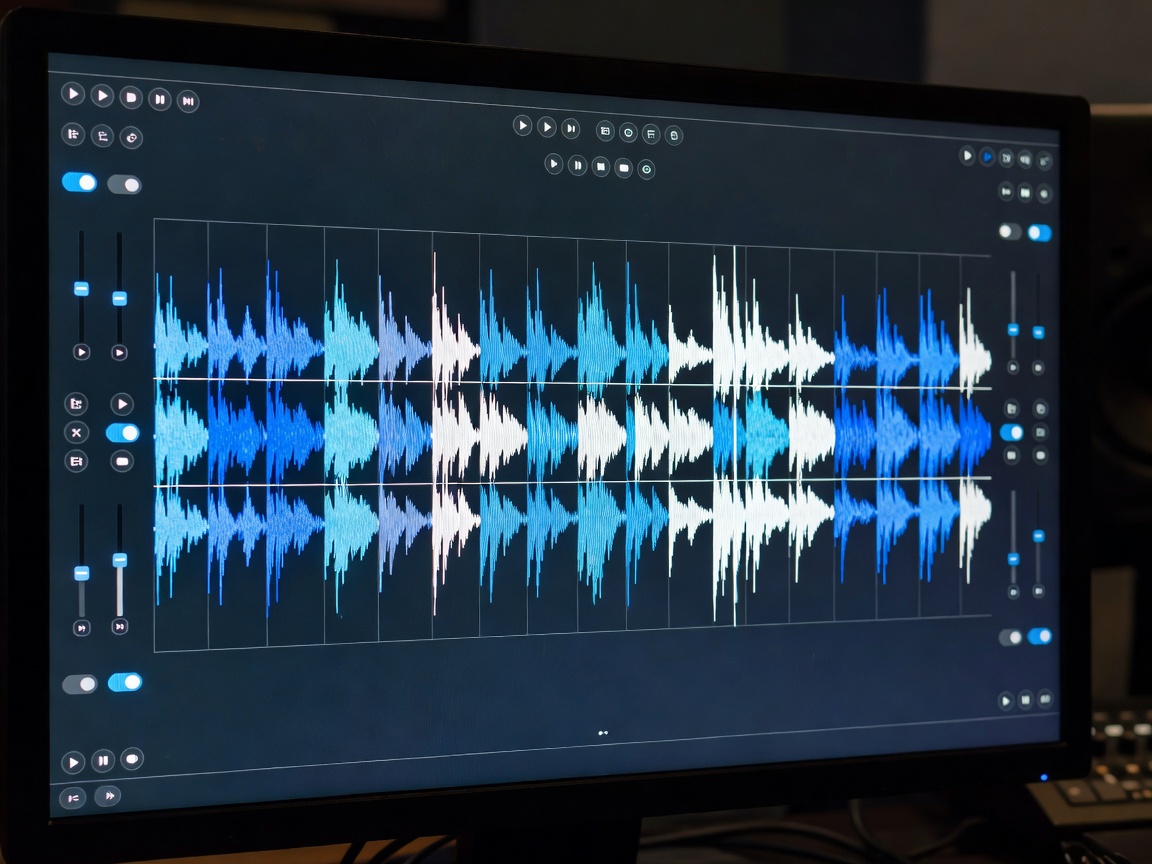
How machine learning phonetic alignment allows linguists to process 500 hours of uncatalogued field notes in days.
Read Full Journal